



21 Dec Is “Rudolph the Red-Nosed Reindeer” Anti-Gospel?
Here is the Final Jeopardy Clue from the episode of “Jeopardy” that aired on December 12:
A 1964 review of this TV special, still played today, mentions “trials as an outcast” & “the songs of Johnny Marks.”
Ramona and I were out for dinner, and Jeopardy was on in the restaurant. We both thought it was a very easy question, so we were stunned when two out of the three contestants didn’t know the answer (the third got it right on a guess). In my head, I heard millions of viewers screaming: “Who is Rudolph the Red-Nosed Reindeer?!?!”
The special is beloved by millions of people. It has also stirred controversy over the past six decades. Does the story promote conditional love? You can certainly make the case (I’m going to assume you know the story). Rudolph is mocked and shunned because of his red nose. It’s only when he provides value (guiding Santa’s sleigh on a foggy Christmas Eve), Rudolph is appreciated. That particular element of the story is absolutely anti-gospel. Drew Goodmanson makes that point in a blog post about the song upon which the show is based:
All the other reindeer laughed at him, called him names and excluded him. It was only when he became ‘valuable’ in the world’s eyes that Rudolph found acceptance. This song typifies the positional authority of the world. In our culture, you are only as valuable as what you contribute. We struggle to be respected, to achieve positions of power and to be loved. But ultimately, in our culture, if we do not uphold our end of the deal, our position will fall. Everything is dependent upon our self-righteousness. Rudolph’s acceptance was in his achieving value. This is what makes the song the anti-gospel.
I agree with his take 100%. Goodmanson goes on to point out that many Christians fall into the same trap of works-based righteousness (and I would add salvation) that Jesus delivered free of charge with His death on the cross. I believe, however, that the TV special is a different matter. The song leaves Rudolph’s redemption as performance-based. Not so on TV.
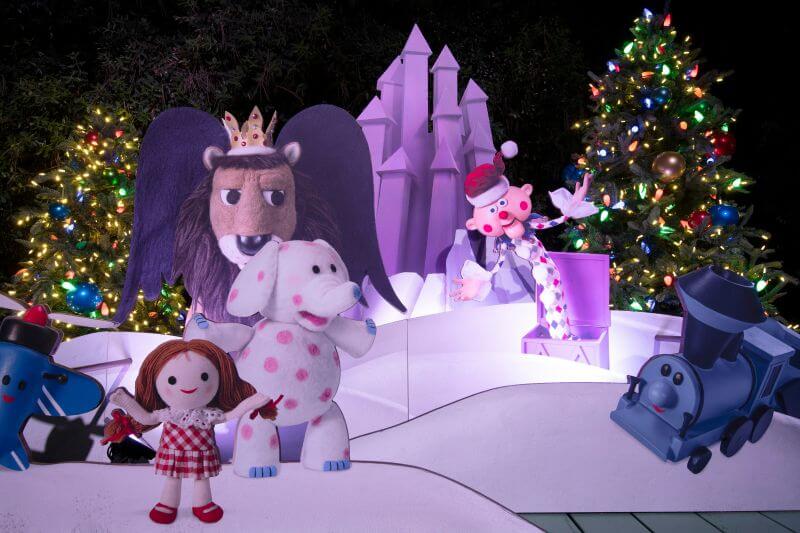
Rudolph never hates or resents those who shunned him. Further, Rudolph embraces other misfits he meets along the way. When that group of misfits discovers the Island of Misfit Toys, Rudolph is confused as to why the defective toys aren’t wanted. After he saves the day by guiding Santa’s sleigh through the fog, he convinces Santa to pick up the misfit toys.
Rudolph’s unconditional love for those who rejected him and those who had been rejected by others is a beautiful representation of the gospel message. The TV special has already aired twice on network TV this year, but there are streaming opportunities you can search if you’d like to test this perspective for yourself. More importantly though, I encourage you to remember that it’s that very same unconditional love that we celebrate this time of year. The kind that prompted God to leave heaven to rescue an entire planet of misfits. Whatever you choose to watch this Christmas season, I pray that you never forget that!
Pastor Jerry Bader
No Comments